
Decoding Market Depth: Exactly Why Your Pricing Strategy Determines th…
페이지 정보

본문
A private treaty sale is the most common system to list a home appraisal Gawler in the local market. This method offers greater privacy and control during the process, however it lacks the visible urgency of a public sale.
Is time on market bad for my sale price?: However, the cost is the uncertainty and stress associated with an extended campaign.
How many buyers are looking for a house like mine?: An expert should review comparable past data and current enquiry rates to outline buyer volume.
Should I aim for volume or a specific high-end buyer?: Broad depth provides faster certainty and competition, while specialized intent requires extended patience and premium marketing.
 Lower Price Points: At these levels, buyer pools are broader, often resulting in more attendance and shorter selling durations.
Narrow Market Depth: As property price rises, the number of active buyers shrinks.
The Trade-off: Choosing to position at the top of the scale requires accepting increased stress over time.
Bracket Management: Using a tight value range (like 5-10%) to guide buyers while providing for movement.
Bottom-Up Pricing: This maximizes enquiry and uses competition to push the price upward, rather than starting high and hoping someone meets you in the middle.
Market-Determined Value: If you have multiple offers at your target price, you have zero need for flexibility; if you have zero offers, your flexibility must increase.
When buyer volume is high and stock is limited, an auction will frequently secure a record result which a static asking price may cap. However, this demands a significant level of investment and an absolute timeline to remain effective.
Should I ever accept the first offer?: However, your agent should use that offer as leverage to flush out any other interested parties before you sign, ensuring you aren't leaving money on the table.
What should I do if a buyer offers way below my guide?: A low offer is simply a data point.
Does a "Best Offer" campaign remove the need for wiggle room?: By setting a deadline, you force all buyers to present their absolute maximum "best and final" offer at once, which usually removes the "back-and-forth" padding that a traditional price-guide sale involves.
While the method influences how the price is landed, the property’s eventual sale value remains determined by market demand. Conversely, a private sale can reach mouse click the next web page identical price if the negotiator is experienced and the positioning is aligned.
Declining Engagement: Over the period, attendance numbers dropped and interest faded.
Buyer Monitoring: Many buyers tracked the property from the start but postponed engagement, expecting a value adjustment.
Concentrated Intent: Approximately 8 weeks into the campaign, renewed competition between watching parties finally achieved the initial target.
Can an agent advertise a price lower than what the seller will accept?: In SA, it remains prohibited to advertise a price that is below the agent's valuation or the seller's lowest acceptable price.
Why are some houses listed without a price guide?: While legal, this is frequently a choice used if the agent wants to test buyer interest before committing to a specific signal.
What should I do if I suspect a property is underquoted?: They provide oversight and ensure that all real estate pricing strategies in South Australia remain transparent and evidence-based.
The Short Answer: In South Australia, property price range marketing is strictly regulated by consumer protection legislation administered by Consumer and Business Services (SA). These requirements are designed to prevent underquoting and ensure that positioning strategies remain consistent with recorded sales data.
Real estate buyers rarely search for exact prices; instead, they use broad ranges to manage their available stock. If a seller positions a property on these specific numbers, you are literally linking multiple different buyer pools.
Negotiation-Driven Outcome: The final price is found via direct back-and-forth between the professional and single buyers.
Flexible Timelines: Unlike auctions, private treaty may continue for months until the right buyer is identified.
Handling Conditional Offers: Private treaty agreements frequently feature conditions like finance or statutory rights.
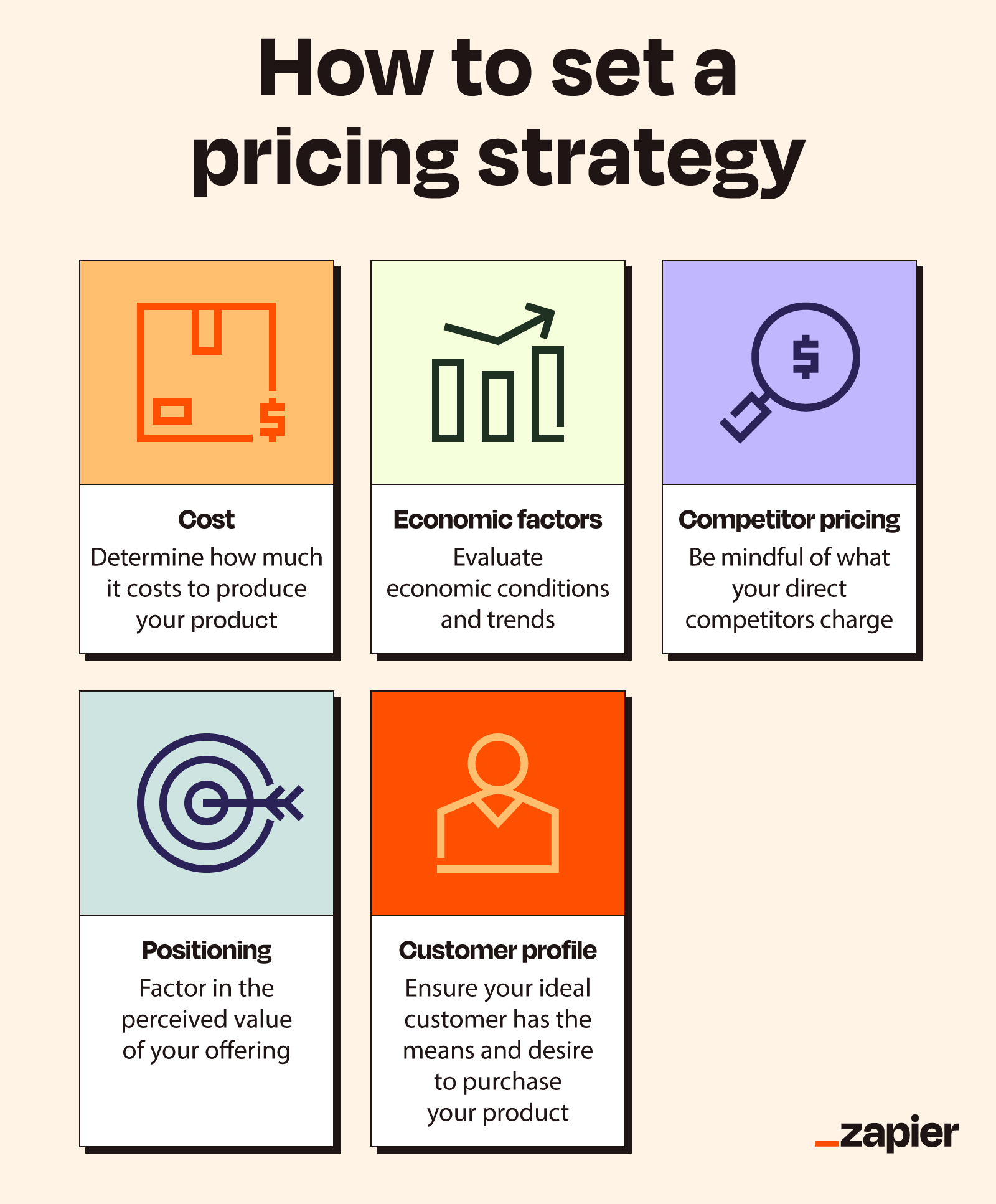
Quick Answer: A property pricing strategy refers to how a home is positioned relative to comparable sales, buyer expectations, and current market conditions. Sellers must recognize that a pricing strategy is distinct from a formal appraisal or a fixed price guide.
Bracket Management: A property priced slightly under a round figure (e.g., under $800,000) can be viewed as more accessible within that search filter.
Search Result Optimization: This strategy ensures the property stays visible to buyers already ready to offer above that mark.
Data-Backed Pricing: Every advertised price has to be backed by recorded market evidence and stay legal.
Is time on market bad for my sale price?: However, the cost is the uncertainty and stress associated with an extended campaign.
How many buyers are looking for a house like mine?: An expert should review comparable past data and current enquiry rates to outline buyer volume.
Should I aim for volume or a specific high-end buyer?: Broad depth provides faster certainty and competition, while specialized intent requires extended patience and premium marketing.
Lower Price Points: At these levels, buyer pools are broader, often resulting in more attendance and shorter selling durations. Narrow Market Depth: As property price rises, the number of active buyers shrinks.
The Trade-off: Choosing to position at the top of the scale requires accepting increased stress over time.
Bracket Management: Using a tight value range (like 5-10%) to guide buyers while providing for movement.
Bottom-Up Pricing: This maximizes enquiry and uses competition to push the price upward, rather than starting high and hoping someone meets you in the middle.
Market-Determined Value: If you have multiple offers at your target price, you have zero need for flexibility; if you have zero offers, your flexibility must increase.
When buyer volume is high and stock is limited, an auction will frequently secure a record result which a static asking price may cap. However, this demands a significant level of investment and an absolute timeline to remain effective.
Should I ever accept the first offer?: However, your agent should use that offer as leverage to flush out any other interested parties before you sign, ensuring you aren't leaving money on the table.
What should I do if a buyer offers way below my guide?: A low offer is simply a data point.
Does a "Best Offer" campaign remove the need for wiggle room?: By setting a deadline, you force all buyers to present their absolute maximum "best and final" offer at once, which usually removes the "back-and-forth" padding that a traditional price-guide sale involves.
While the method influences how the price is landed, the property’s eventual sale value remains determined by market demand. Conversely, a private sale can reach mouse click the next web page identical price if the negotiator is experienced and the positioning is aligned.
Declining Engagement: Over the period, attendance numbers dropped and interest faded.
Buyer Monitoring: Many buyers tracked the property from the start but postponed engagement, expecting a value adjustment.
Concentrated Intent: Approximately 8 weeks into the campaign, renewed competition between watching parties finally achieved the initial target.
Can an agent advertise a price lower than what the seller will accept?: In SA, it remains prohibited to advertise a price that is below the agent's valuation or the seller's lowest acceptable price.
Why are some houses listed without a price guide?: While legal, this is frequently a choice used if the agent wants to test buyer interest before committing to a specific signal.
What should I do if I suspect a property is underquoted?: They provide oversight and ensure that all real estate pricing strategies in South Australia remain transparent and evidence-based.
The Short Answer: In South Australia, property price range marketing is strictly regulated by consumer protection legislation administered by Consumer and Business Services (SA). These requirements are designed to prevent underquoting and ensure that positioning strategies remain consistent with recorded sales data.
Real estate buyers rarely search for exact prices; instead, they use broad ranges to manage their available stock. If a seller positions a property on these specific numbers, you are literally linking multiple different buyer pools.
Negotiation-Driven Outcome: The final price is found via direct back-and-forth between the professional and single buyers.
Flexible Timelines: Unlike auctions, private treaty may continue for months until the right buyer is identified.
Handling Conditional Offers: Private treaty agreements frequently feature conditions like finance or statutory rights.
Quick Answer: A property pricing strategy refers to how a home is positioned relative to comparable sales, buyer expectations, and current market conditions. Sellers must recognize that a pricing strategy is distinct from a formal appraisal or a fixed price guide.
Bracket Management: A property priced slightly under a round figure (e.g., under $800,000) can be viewed as more accessible within that search filter.
Search Result Optimization: This strategy ensures the property stays visible to buyers already ready to offer above that mark.
Data-Backed Pricing: Every advertised price has to be backed by recorded market evidence and stay legal.
- 이전글Mobile Imaging or Traditional Radiology: How to Decide 26.05.05
- 다음글Prime 25 Quotes On Buy Gsa Link Lists 26.05.05
댓글목록
등록된 댓글이 없습니다.